I've had question for sometime regarding the straight-wing F-84's canopy.
Throughout the 2nd World War we saw a progression in fighter design towards better visibility. Most fighter types at, or shortly after the beginning of the war were designed with a multi-peice (birdcage) canopy design. Off the top of my head, the P-51, P-47, Corsair and even the P-40 all eventually evolved to a low rear deck fuselage combined with a one peice teardrop plexiglass canopy.
Ok Picture time:
P-51 before,

And after design changes,

The Mighty P-47 before,

And after,

The Corsair before,

And after,

And last but not least the P-40 before,

And after,
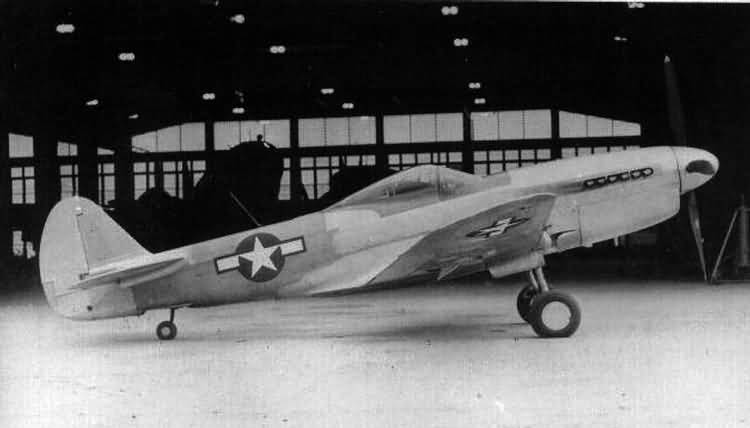
These just a few examples of this particular facet of wartime design evolution.
And brings me to my point. All these aircraft designs moved to a design which allowed a pilot more improved visibility by removing obstructions and allowing a 360 degree veiwing radius.
So why does it seem with regards to the Thunderjet programme that at some point they went backwards.
From the outset the P-84 was designed with a one peice teardrop canopy with no framework or obstructions. Subsequent production models were produced with this same canopy until the G model. According to JB website:
Joe Baugher wrote:
Perhaps the most distinctive feature of the F-84G was the introduction of a multi-framed, reinforced canopy which replaced the clear unframed canopy of earlier versions. However, the presence of a reinforced canopy on a Thunderjet was not always a reliable indicator of its being a G-model, since this type of canopy was fitted retroactively to many earlier F-84s.
Obivously Republic and the USAF felt this new framed canopy was superior to the clear one due to the fact that they retro-fitted them to earlier models.
So my question is why? What was the reason behind the decision to move to this type of canopy which appears to have less field of view over it's predicessor?
XP-84
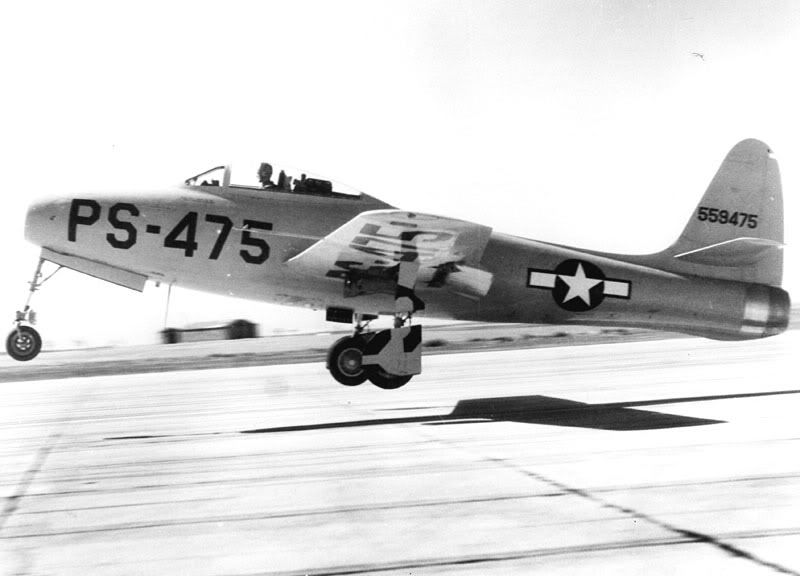
XP-84A

F-84C,

F-84E,

F-84G,
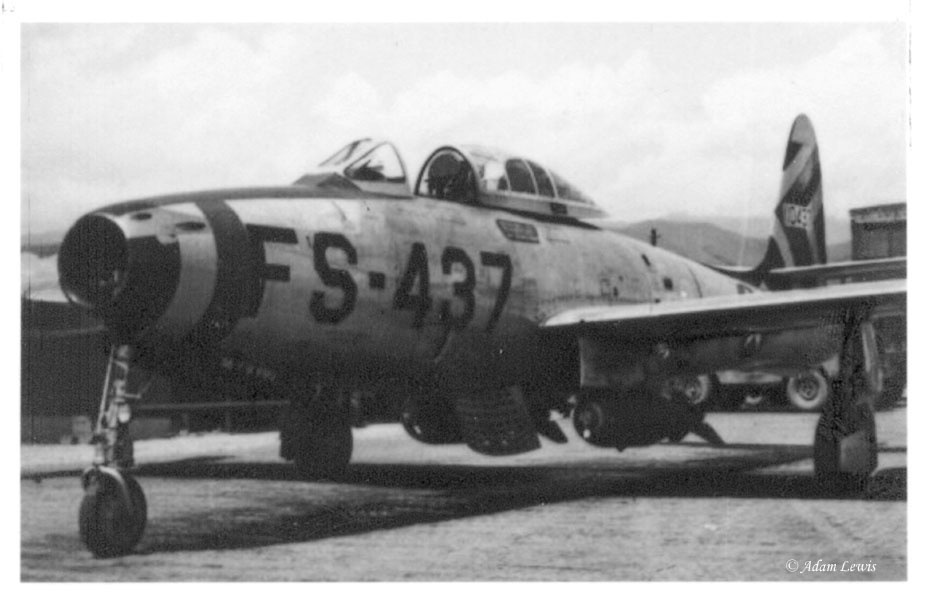
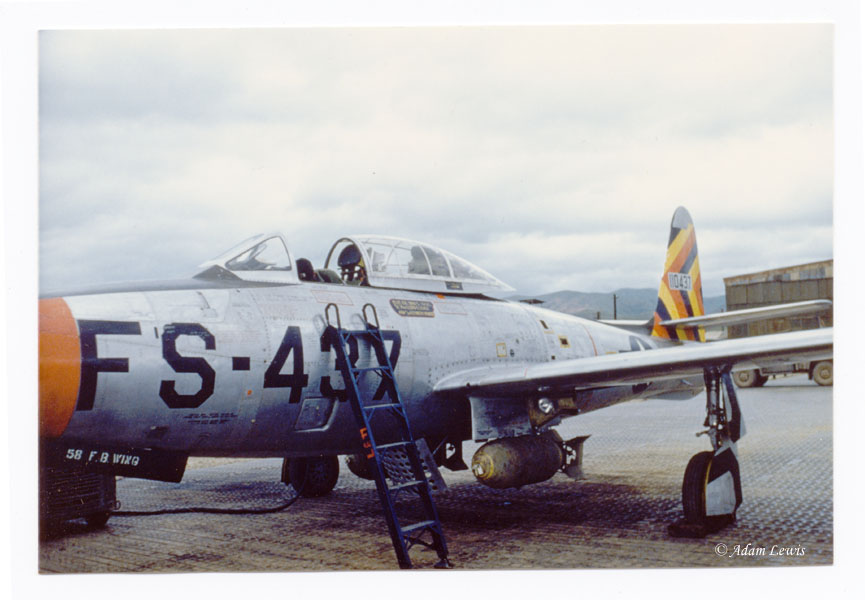
Retro-Fitment to earlier models:


Any thoughts as to why?
Shay
______________
Semper Fortis



 Login
Login Register
 FAQ
FAQ Search