seaknight15 wrote:
For some reason the #'s make me think it was at twin cities navel reserve base in the late 70's. It was 100% orig. We would all put up some cash so we could buy a 100 gal of low lead so we could do run ups on the weekends. I remember that it all came to a halt when we had a chip light on the port engine. Somewhere I have the #'s to check to see if it is the same a/c. anyway I had great times in the P2V.
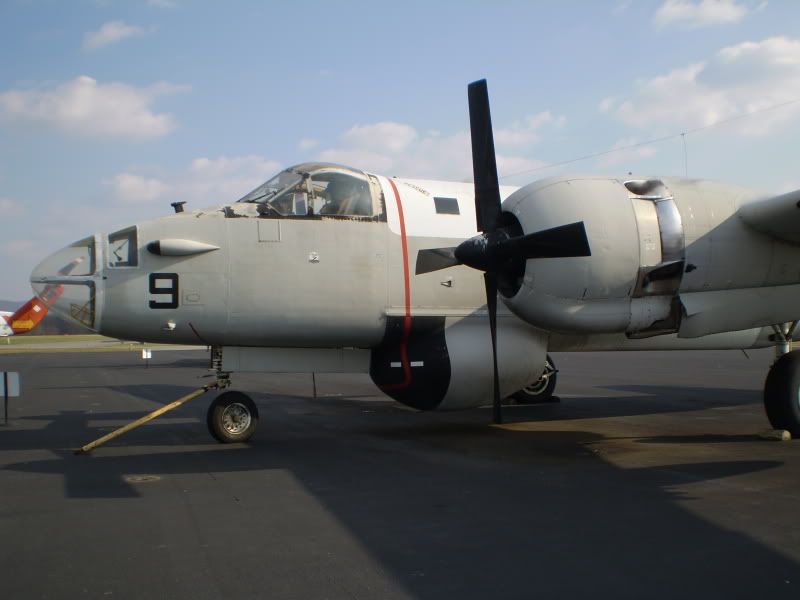
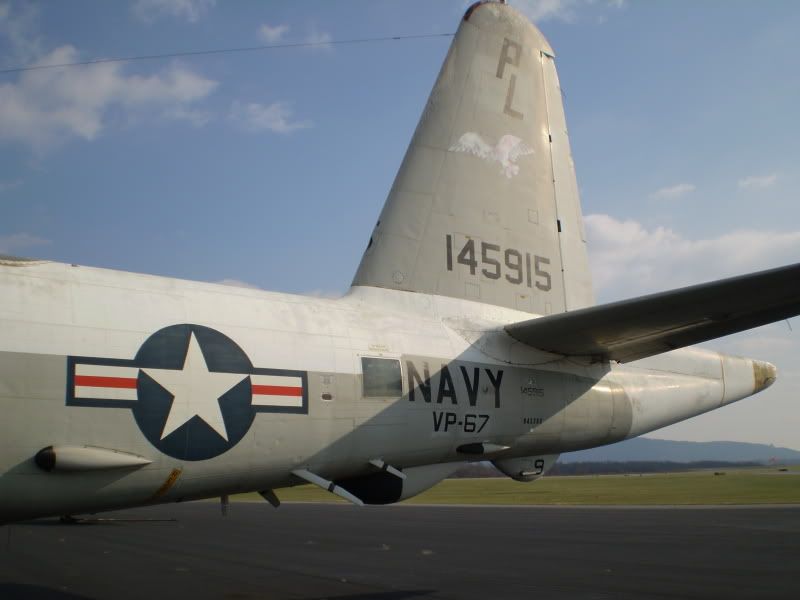
Here is a copy of the planes intel from the MAAM site.
THE RESTORATION
The Museum acquired two P2V's through the Federal Surplus Property program during the fall of 1983. BU NO 145915 filled the following assignments during its time with the US Navy: VP 21 and VP-23, NAS Brunswick, VP-92 NAS South Weymouth, VP-94 NAS New Orleans, VP-56 NAS Norfolk, and VP-67 NAS Memphis. It served actively during the Cuban missile crisis in 1962, with VP-24.
In storage for several years at Davis Monthan Air Force Base, covered with preservatives and desert dust, the Museum's "Neptune" was a dismal sight as it greeted a work party of Museum volunteers. Over a week's time they removed animal nests, installed instruments and avionics, and made the aircraft flight-worthy. A two day return trip to the Museum's home in Pennsylvania was achieved without incident. (The crew chose not to use the heaters in the aircraft, in order to not risk problems, which made for an extremely cold wintertime return trip!) Museum volunteers set to work immediately cleaning up the aircraft and beginning the restoration process.
As a "flying" museum, part of the mission of the Mid-Atlantic Air Museum is not only to restore, but also operate classic aircraft like the P2V. The "Neptune" travels to five or six airshows each year, where it performs fly-bys for the crowd and is also opened for tours to the general public. Thousands of people each year have the experience of touring the P2 from the bow observer station to the MAD stinger. Most air show visitors have little knowledge about the aircraft and its mission. Museum volunteers "man" many of the crew positions, helping to explain the functions of the crew members and use of the equipment on board. They share the history of the aircraft that, for many years, was the major airborne defense system for the US coasts. Visitors are always amazed at the lack of creature comforts and cramped space, are impressed with the galley, and enjoy climbing over the wing as a part of their tour. Museum volunteers have also benefited from the tours, learning a great deal about the "Neptune" from those who flew aboard them.
From the time the aircraft flew to its first airshow, ex-"Neptune" crewmen have been drawn to the aircraft. They climb aboard to reminisce, to show family members the aircraft that they spent so much time serving aboard. Reserve squadrons have provided much of the now outdated electronics equipment which has been installed on the aircraft, and provided uniforms, manuals, and photographs for the museum collection, as well. Just as fascinating have been the hundreds of stories collected from ex-P2 crewmen concerning their eventful and not-so-eventful missions. Everything from combat experiences and engine out performance to pranks played on new crew members has been recounted.
MAAM's "Neptune" restoration is now complete with sonobuoy, radar and electronic equipment, operational bomb bay and searchlight. In 1985 at the Experimental Aircraft Association Convention at Oshkosh, Wisconsin the Museum's BUNO 145915 was awarded the 'Best Restored Bomber' title.
The Mid-Atlantic Air Museum's P2V-7 is undergoing an "ongoing restoration", each year becoming more


 Login
Login Register
 FAQ
FAQ Search