.
.
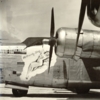
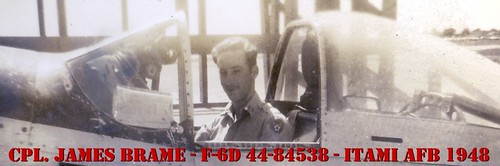
This wartime cockpit photo is claimed to be a B5N Kate, the side mounted canopy rail with the cockpit wall extending up higher than the rail seems an identifiable feature on the wreck?

This link to the Australian War Memorial online archive shows a Kate from the rear, the second cockpit "tub" is clearly visible as being similar to the wreck, but the most clear evidence is the "wind deflector" on the canopy rail of the rear gun position which is identical to the that on the wreck.
http://cas.awm.gov.au/TST2/cst.acct_master?surl=1492241698ZZRHBIDJGLPZ44628&stype=4&simplesearch=&v_umo=&v_product_id=&screen_name=&screen_parms=&screen_type=RIGHT&bvers=4&bplatform=Microsoft%20Internet%20Explorer&bos=Win32

It would seem to be fairly conclusive this is a Kate fuselage/centre-section extending from the firewall to near or at the fuselage break point?
It seems the wing centre-section is cut back on the port (LH) side inboard of the folding point (which was @ 1/2 way towards the tip?) while the starboard (RH) side is cut flush with the fuselage, but there is a wheel rising up in front of the a/c suggesting other remains of the u/c and wing-centre-section also exist?
The engine should identify the likely particular model Kate?, the wreck engine appears to be a two row 14 cylinder supporting the view this is a B5N2 or model 12, the earlier B5N1 or model 11 apparantly had a single row engine?
These pictures from the airpages site provide an overall layout of both models
B5N1 Model 11 (appears to have single row engine - 9 cyl?)

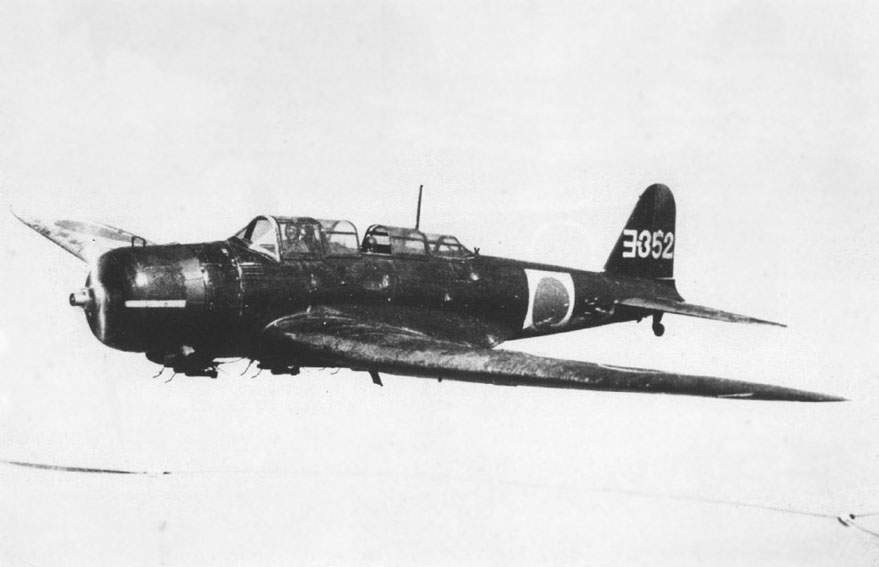
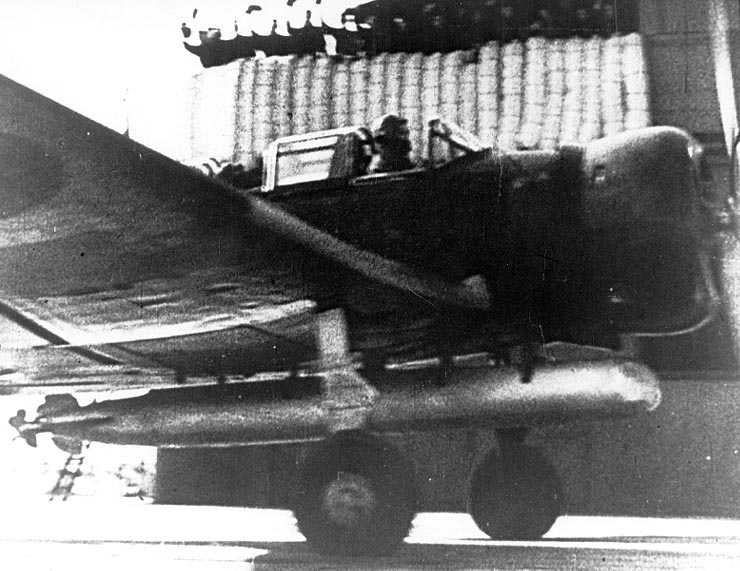 B5N2 Model 12

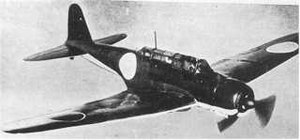
An exciting find and a candidate for recovery and display at the museum at Pearl Harbour in its "intact" condition, and possible use in a composite static restoration?
Especially if combined with the Hunt Brothers apparantly poorer condition fuselage but more intact centre-section, and most importantly apparantly a wing set?
http://www.pacificwrecks.com/aircraft/b5n/5353.html
Combining the wrecks could provide an "as is" display as well as a composite static restoration? and bring another important WW2 Japanese type back from extinction?
regards
Mark Pilkington



 Login
Login Register
 FAQ
FAQ Search